
Acoustic Reflex Test
Acoustic Reflex Test
The Acoustic Reflex Test is a diagnostic procedure used to evaluate the involuntary muscle response of the middle ear when exposed to loud sounds. This assessment helps audiologists determine how well the auditory nerve and brainstem pathways are functioning, assisting in identifying hearing disorders and neurological conditions affecting hearing.
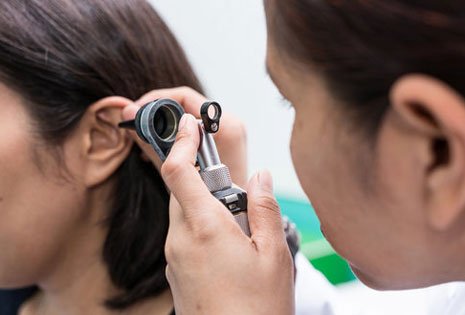
Benefits of Acoustic Reflex Testing:
This test provides valuable information about middle ear function and neural hearing pathways, helping specialists accurately diagnose hearing sensitivity and auditory nerve performance.
-
Assessment of Neural Pathways
Evaluates communication between the ear and brainstem to detect possible neurological involvement.
-
Detection of Hearing Disorders
Helps identify conductive or sensorineural hearing problems affecting sound transmission.
-
Support for Accurate Diagnosis
Provides additional diagnostic data used alongside other audiological tests for precise evaluation.
Long Term Hearing Care Support
Acoustic reflex testing plays an important role in comprehensive hearing assessment and monitoring auditory system health. It assists clinicians in understanding reflex responses that protect the inner ear from loud sounds and helps track changes in hearing function over time.
At BNG Audiology & Hearing Care Pvt. Ltd., advanced diagnostic equipment ensures accurate and reliable testing in a comfortable clinical environment. Our audiologists provide clear explanations of results and recommend suitable treatment or hearing management solutions based on individual needs.
Frequently Asked Questions
Below are some common questions patients ask regarding the Acoustic Reflex Test and its purpose in hearing evaluation.
The test is safe and painless. Patients may hear brief loud sounds, but no discomfort is expected.
The procedure usually takes only a few minutes and is often performed along with other hearing tests.
It helps evaluate middle ear and neural hearing pathways, supporting accurate diagnosis of hearing problems.
No preparation is required. Patients simply need to remain relaxed during the short examination.