
McClure Pagnini Test
McClure Pagnini Test
The McClure Pagnini Test, also known as the Supine Roll Test, is a positional examination used to diagnose horizontal canal Benign Paroxysmal Positional Vertigo (BPPV). This test evaluates how head movements influence the inner ear balance system, helping specialists identify abnormal crystal movement responsible for dizziness and vertigo symptoms.
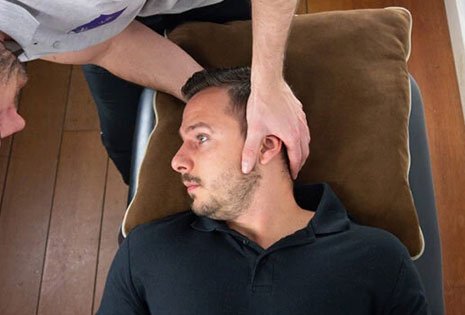
Benefits of the McClure Pagnini Test:
This test helps clinicians accurately detect horizontal canal BPPV and determine the affected side, enabling targeted treatment and faster relief from vertigo symptoms.
-
Precise Vertigo Identification
Helps diagnose horizontal canal BPPV by observing eye movements during controlled head rotations.
-
Assessment of Balance Canal Function
Evaluates vestibular responses to identify abnormalities within the inner ear balance system.
-
Guidance for Effective Treatment
Supports clinicians in selecting appropriate repositioning maneuvers for symptom relief.
Long Term Hearing & Balance Care Support
The McClure Pagnini Test plays an important role in diagnosing positional vertigo conditions that may otherwise remain undetected. Early evaluation helps prevent recurring dizziness episodes and improves balance stability in daily activities.
At BNG Audiology & Hearing Care Pvt. Ltd., this examination is conducted using standardized clinical techniques to ensure accurate diagnosis and patient comfort. Our specialists provide clear explanations and personalized treatment recommendations to support long-term balance health.
Frequently Asked Questions
Below are some commonly asked questions regarding the McClure Pagnini Test and positional vertigo evaluation.
It is used to diagnose horizontal canal BPPV and identify the affected ear responsible for vertigo symptoms.
The test is safe and non-invasive, though brief dizziness may occur during head positioning movements.
The procedure typically takes only a few minutes and is performed as part of a vestibular evaluation.
Patients experiencing positional vertigo, spinning sensation, or imbalance are commonly advised to undergo this assessment.