
ETF Test
ETF Test (Eustachian Tube Function Test)
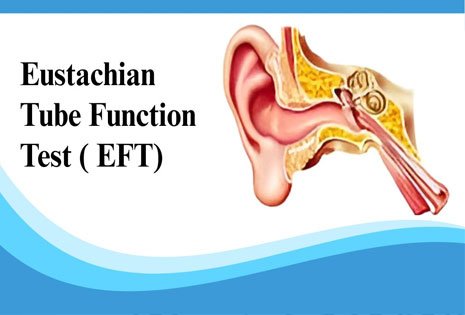
The Eustachian Tube Function (ETF) Test is a diagnostic procedure used to evaluate how effectively the Eustachian tube regulates air pressure between the middle ear and the outer environment. This assessment helps identify pressure imbalance, ear blockage, or middle ear dysfunction that may cause hearing difficulty, discomfort, or recurrent ear infections.
Benefits of ETF Testing:
ETF testing provides important information about middle ear pressure regulation, helping audiologists diagnose underlying causes of ear discomfort and hearing problems accurately.
-
Middle Ear Pressure Evaluation
Assesses how effectively the Eustachian tube equalizes pressure within the middle ear.
-
Detection of Ear Blockage Issues
Helps identify dysfunction causing ear fullness, popping sensations, or hearing fluctuations.
-
Support for Accurate Diagnosis
Provides valuable clinical data for treatment planning and long-term hearing management.
Long Term Hearing Care Support
Regular evaluation of Eustachian tube function helps prevent chronic middle ear problems and supports long-term auditory health. Early detection of pressure imbalance allows timely medical intervention and reduces the risk of complications affecting hearing ability.
At BNG Audiology & Hearing Care Pvt. Ltd., ETF testing is performed using advanced diagnostic equipment in a comfortable clinical environment. Our audiologists ensure accurate assessment, clear explanation of findings, and personalized guidance for maintaining optimal ear health.
Frequently Asked Questions
Below are some commonly asked questions regarding ETF testing and middle ear pressure evaluation.
The ETF test is safe and painless. Patients may feel mild pressure changes in the ear during the procedure.
The procedure usually takes only a few minutes and provides immediate diagnostic information.
Individuals experiencing ear blockage, pressure discomfort, frequent infections, or fluctuating hearing may benefit from this evaluation.
No special preparation is required. Patients simply need to remain relaxed during the short testing procedure.