BERA Test
BERA Test (Brainstem Evoked Response Audiometry)
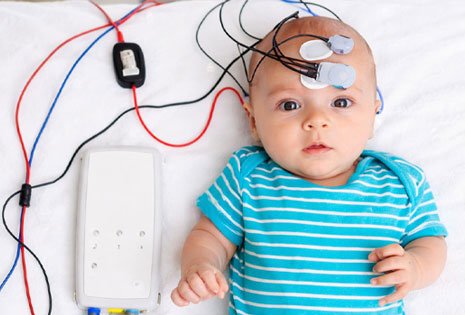
Brainstem Evoked Response Audiometry (BERA) is an advanced diagnostic hearing test used to evaluate the auditory nerve and brainstem response to sound stimuli. This objective assessment helps detect hearing loss in infants, children, and adults, especially when behavioral hearing tests are not reliable or possible.
Benefits of BERA Testing:
BERA provides accurate and objective information about hearing sensitivity and neural pathway functioning, making it an essential tool for early diagnosis and treatment planning.
-
Objective Hearing Assessment
Measures brain responses to sound without requiring active patient participation.
-
Early Detection in Infants & Children
Helps diagnose congenital or developmental hearing loss at an early stage.
-
Neurological Evaluation
Assesses auditory nerve and brainstem pathways for accurate clinical diagnosis.
Long Term Hearing Care Support
BERA testing plays a crucial role in monitoring auditory pathway health and diagnosing hearing disorders that may not be detected through conventional hearing tests. Regular evaluation helps clinicians track hearing development and neurological auditory function over time.
At BNG Audiology & Hearing Care Pvt. Ltd., BERA testing is performed using advanced diagnostic equipment under expert supervision. Our specialists ensure patient comfort, accurate interpretation of results, and appropriate guidance for further treatment or hearing rehabilitation.
Frequently Asked Questions
Below are some commonly asked questions regarding the BERA Test and its importance in hearing evaluation.
The test is completely painless and non-invasive. Small electrodes are placed on the scalp to record responses.
Infants, young children, or individuals unable to respond to standard hearing tests are commonly recommended for this evaluation.
The procedure typically takes 30–60 minutes depending on the patient’s condition and testing requirements.
Patients are advised to remain relaxed or asleep during the test to ensure accurate recordings.